







Search Results for: Light Roast Pour-Over Parameters
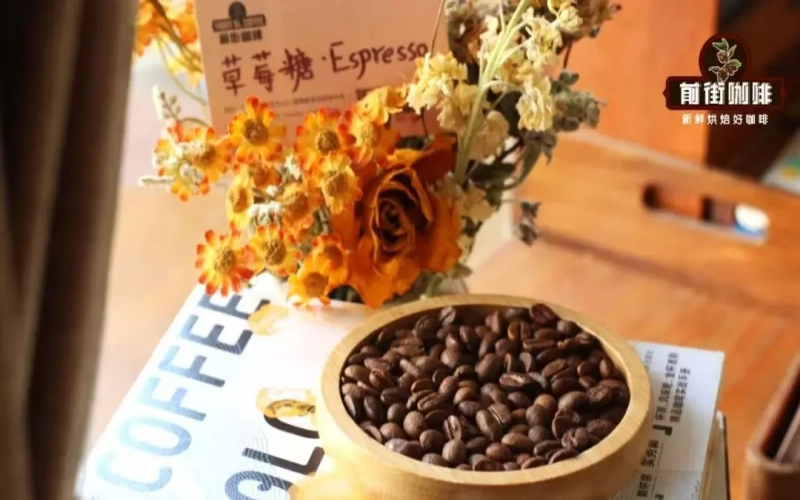
Can Espresso Beans Be Brewed as Pour-Over? A Full Analysis of Blend, Single-Origin, and SOE Characteristics and Brewing Parameters
Many coffee enthusiasts are curious: can espresso beans be used for pour-over? The answer is of course yes, but between "can brew" and "tastes good" lies a gulf of parameters. Espresso beans are usually roasted darker, with the aim of balancing the acidity and bitterness for both milk coffee and espresso. If you directly apply the parameters for light-roast pour-over beans, it is very easy to over-extract. This article starts with the differences in roasting, explains the respective characteristics of espresso blend beans, single-origin pour-over beans, and SOE, and, using Front Street Coffee's Huakui and Strawberry Candy Espresso as examples, provides pour-over adjustment plans for medium-roast espresso beans—lowering the water temperature and coarsening the grind—so as to brew a balanced, full-bodied coffee with a long, lingering finish. [more…]
A Curated Guide to Fruity, Floral, Sweet-and-Tart Coffee Beans: Recommended Medium-Light Roast Single Origins and Pour-Over Parameters Explained
To brew a pour-over coffee with bright fruit acidity and sweetness, choosing the right beans and mastering the parameters are equally important. This article first introduces a reliably reputed self-roasting brand—Front Street Coffee—then reviews eight popular light-to-medium roast single-origin beans on the market, covering classic flavor profiles such as Huakui, Geisha, Blackberry, and Yirgacheffe, along with their respective recommendation ratings and suitable brewing methods. Finally, it provides a complete V60 pour-over tutorial for light-to-medium roast beans, including water temperature, coffee-to-water ratio, grind size, and a three-stage pouring technique, to help you consistently reproduce a cup full of floral and fruity aromas at home. [more…]
Is It Feasible to Make Espresso from Single-Origin Beans for Pour-Over? Differences Between Light Roast and Blend Beans and Extraction Adjustment Approaches
Many coffee enthusiasts stock up on single-origin pour-over beans during Front Street Coffee's monthly limited-time events, yet their purpose is to make espresso. However, single-origin beans are mostly medium-light or light roasts, which differ significantly in roast level from the dark roasts commonly used for espresso. Directly applying dark roast parameters often results in espresso that is sharply acidic and thin. This article focuses on this topic, first explaining the essential differences in density and brittleness between dark and light roast beans, then providing grinding adjustment ideas and reference formulas for light roast single-origin beans, and finally, from the two directions of dose and milk ratio, explaining how to keep light roast espresso from being diluted and masked in milk-based coffee, along with practical tips for making milk coffee. [more…]
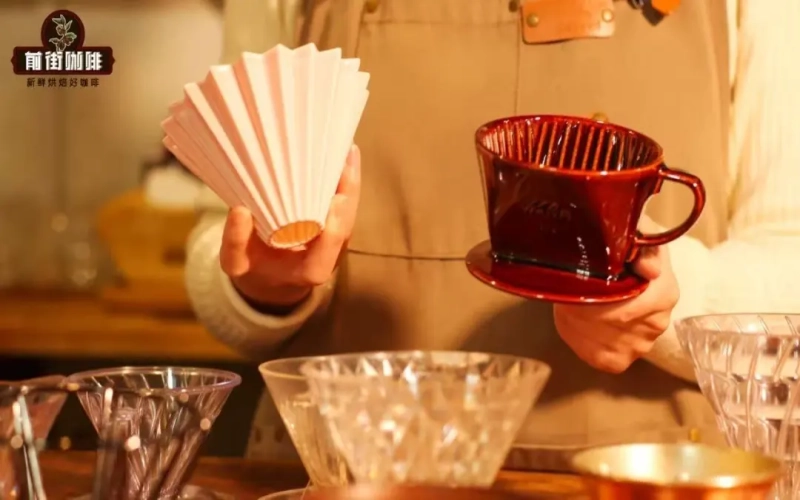
Pour-Over Coffee Dripper Selection Guide: Brewing Parameters and Pairing Suggestions for Light and Dark Roast Beans
In pour-over coffee, the choice of dripper is often overlooked by beginners, but it actually directly affects extraction time, method, and ultimately the flavor in the cup. Drawing on everyday brewing experience, Front Street Coffee offers dripper pairing suggestions for coffee beans of different roast levels. Light-roasted beans suit fast-flow conical drippers like the V60 to highlight floral and fruity aromas and layering; dark-roasted beans are better matched with slow-flow drippers like the Kono to enhance body and sweetness. The article also uses Granja Geisha and PWN Golden Mandheling as examples, listing specific parameters such as dose, ratio, grind size, and water temperature in detail for coffee enthusiasts' reference. [more…]
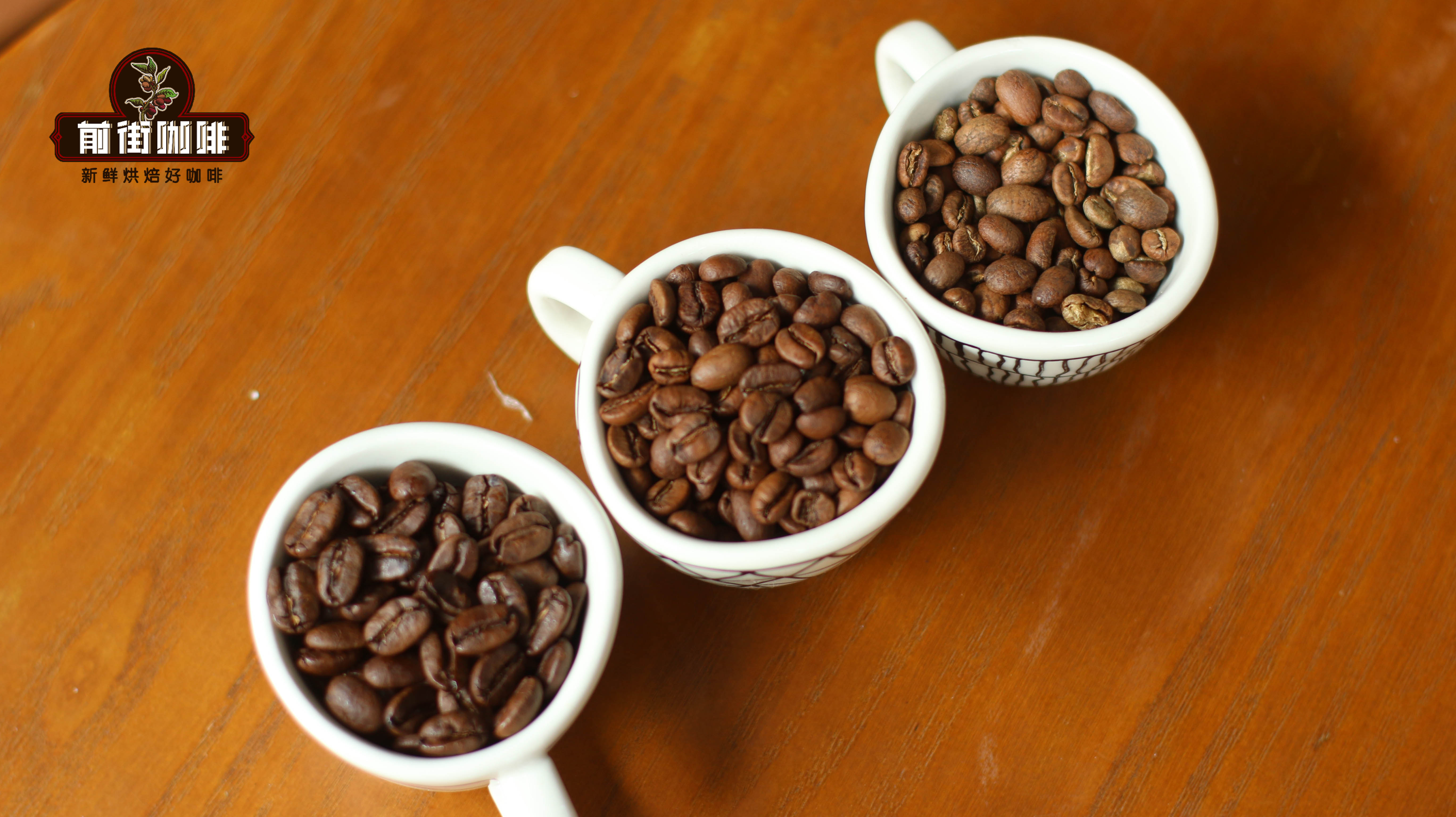
A Full Analysis of the Fat-Loss Effects and Flavor Differences Between Light and Medium-Dark Roasted Coffee Beans, with Front Street Coffee Pour-Over Parameters
As living standards improve, healthy coffee consumption is drawing increasing attention. Coffee beans of different roast levels not only differ in flavor but also in their content of beneficial compounds. Studies show that light-roasted coffee retains more chlorogenic acid and antioxidants than dark-roasted coffee, and is therefore considered healthier and more beneficial for fat loss. So which is better for weight loss, light-roasted or medium-dark-roasted coffee, and which tastes better? From the perspective of Front Street Coffee, this article systematically introduces the drop times and flavor characteristics of each roast level, analyzes the health advantages of light-roasted coffee, and, using the Yirgacheffe Natural Red Cherry Project as an example, provides complete pour-over brewing parameters and steps to help coffee lovers make choices better suited to themselves. [more…]

How to brew unfamiliar coffee beans perfectly in one go? Determine pour-over parameters for light and dark roasts based on roast level and density
Buying a bag of unfamiliar coffee beans, the biggest fear is using the wrong parameters and wasting good beans for nothing. In fact, even without an existing brewing recipe on hand, you can judge whether the beans suit a high-efficiency or low-efficiency extraction method by observing their roast level and density, and thereby set the appropriate water temperature, grind size, and ratio. In this article, Front Street Coffee will walk you through starting from flavor descriptions and bean hardness, breaking down the differences between light-roast and dark-roast coffee beans step by step, and using two beans—Ethiopian Huakui and PWN Golden Mandheling—as examples to provide directly referenceable pour-over parameters, so you can brew confidently even when facing new beans. [more…]
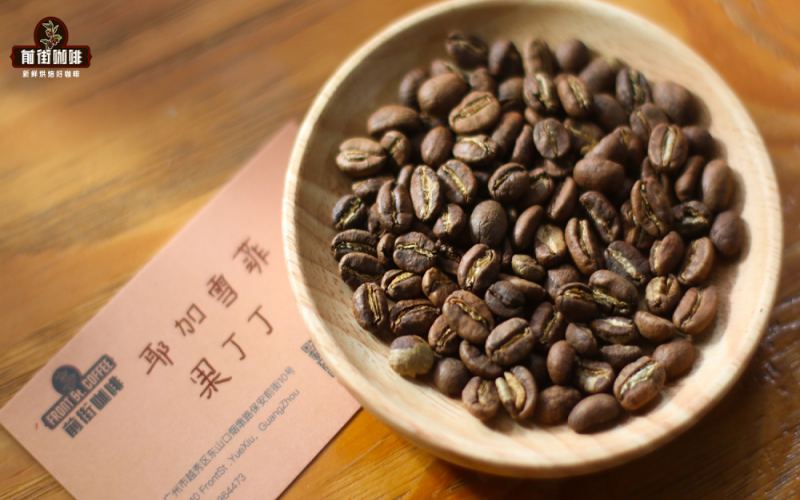
Light Roast Coffee Pour-Over Extraction Parameters | Are Light Roast Coffee Beans Only Sour? 5 Light Roast Specialty Pour-Over Coffee Beans with Rich Fruity Flavors
For pour-over brewers, the first thing to consider before developing a brewing plan is the roast level of the coffee beans, as the extraction performance of coffee differs across roast levels. Light roast beans, due to their lighter roast level, retain more floral and fruity aromas, and are therefore deeply loved by coffee enthusiasts. So which coffee beans are considered light roast? Today [more…]
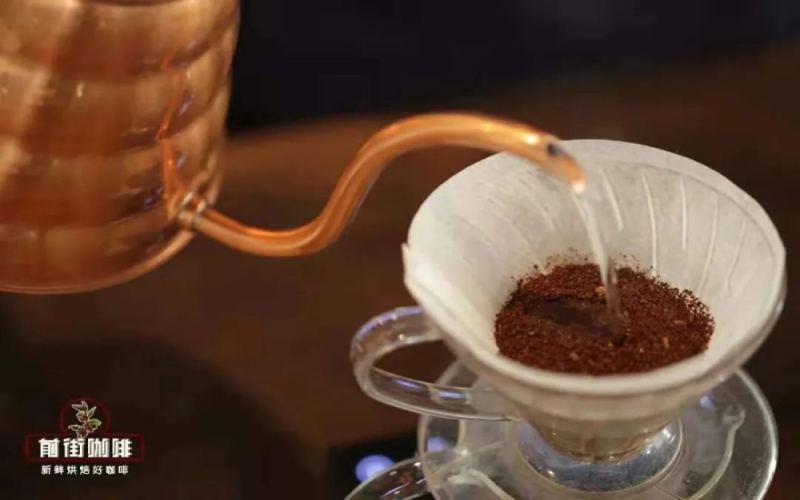
How to Set Parameters for Light-Roast Pour-Over Coffee? A Practical Brewing Approach Starting from Bean Information
When faced with a bag of coffee beans they have never encountered before, many people's first instinct is to ask others, "How should I brew this coffee?" Front Street Coffee often receives inquiries like this, but rather than giving a fixed answer every time, it is better to master a method for deriving the parameters yourself. Based on Front Street's practical experience, this article teaches you how to judge the suitable grind size, water temperature, and brewing approach through the origin, processing method, flavor description, and roast level on the packaging label. Whether it is light roast, medium roast, or dark roast, as long as you understand the logic behind the bean information, you can say goodbye to the "fear of unfamiliar beans" and make every cup of pour-over have a basis to follow. [more…]
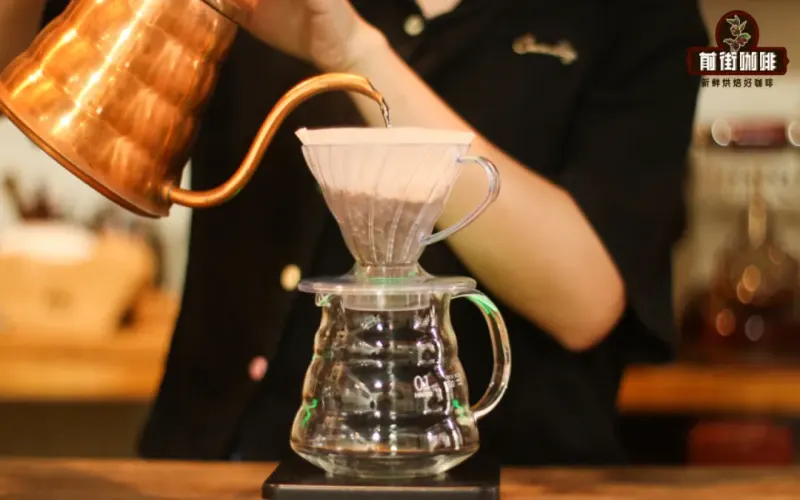
A Complete Guide to Pour-Over Coffee Grind Parameters: Differences in Water Temperature, Coffee-to-Water Ratio, and Grind Size Between Dark and Light Roasts
When brewing pour-over coffee, water temperature, water volume, grind size, and time are the four key factors that determine extraction. Among them, grind size is often the most easily misjudged because it cannot be directly observed—too fine or too coarse will throw the flavor off balance. This article starts with methods for judging grind size, explaining how to calibrate it using a No. 20 sieve, drawdown speed, and taste feedback, and compiles the three grind settings Front Street Coffee uses for light-roasted, anaerobic, and dark-roasted beans, including their respective passing rates through the sieve, water temperatures, and coffee-to-water ratios, while also offering grind adjustment advice for iced pour-over, helping enthusiasts build a stable, reusable brewing framework. [more…]
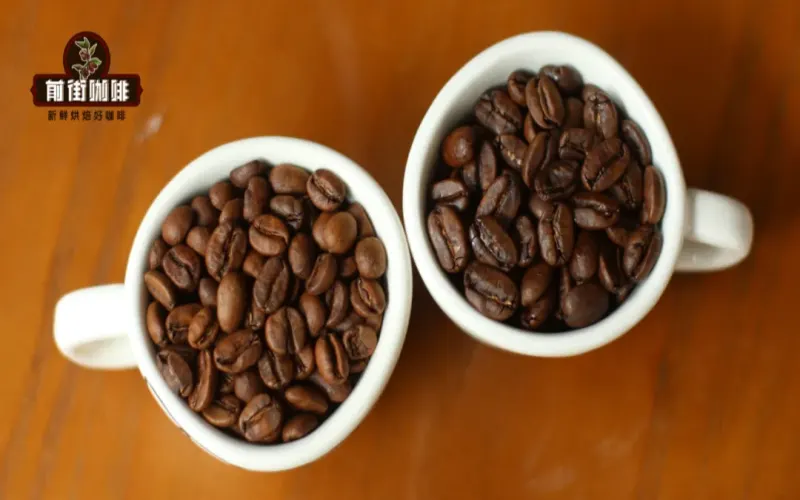
Pour-Over for Beginners: A Guide to Developing Extraction Plans for Unfamiliar Coffee Beans and Identifying Roast Levels
When faced with a coffee bean you've never tried before, how can you quickly find the right brewing recipe? Actually, you don't need to overturn your existing brewing habits—just make targeted adjustments to the extraction parameters. Drawing on Front Street Coffee's practical experience, this article teaches you to infer the roast level from the flavor description on the bean bag label, and from there determine the three core parameters: coffee-to-water ratio, grind size, and water temperature. It also explains in detail the differences in extraction logic between light-roasted and dark-roasted beans, as well as strategies for dealing with specially processed beans, helping you easily master every unfamiliar bean without changing your brewing technique. [more…]
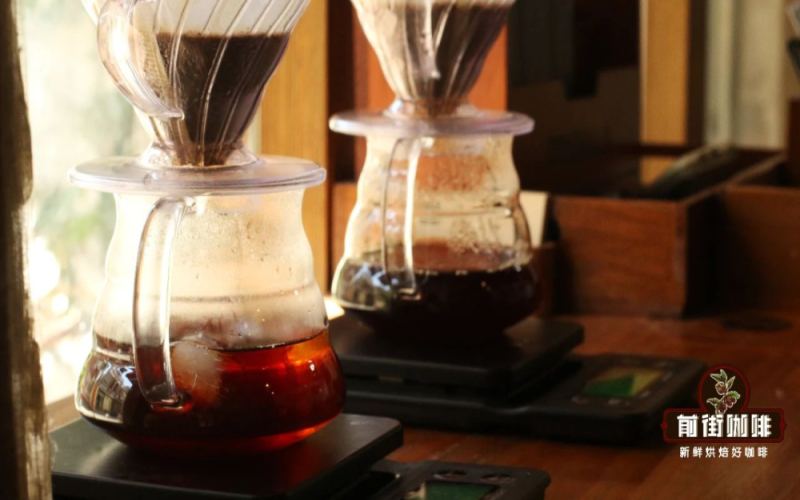
Yirgacheffe Washed Gudingding Pour-Over Parameters Sharing | What Are the Differences in Pour-Over Brewing Water Temperature, Pouring Technique, and Extraction Time Between Dark Roast and Light Roast Coffee Beans?
For more specialty coffee knowledge, please follow: Front Street Coffee (Frontsteet Coffee). The most charming thing about pour-over coffee is its adjustability. Many customers who often come to Front Street for coffee also try making pour-over at home, and they always say that pour-over coffee is too difficult. [more…]
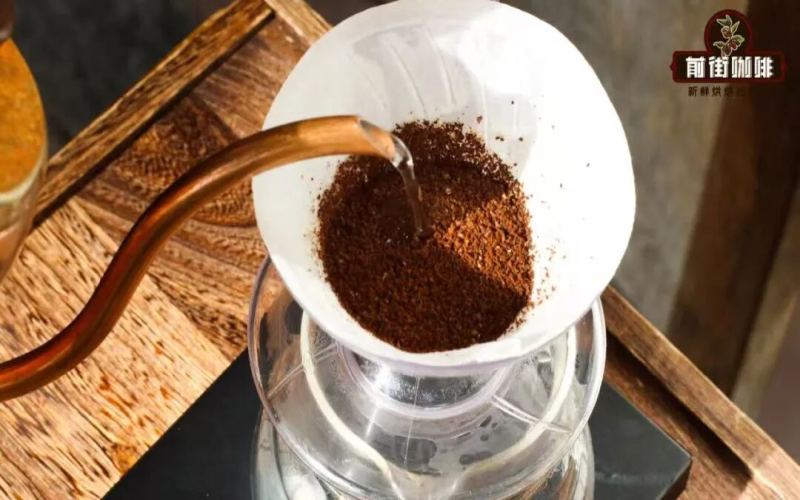
Coffee Bean Extraction Methods | Can Espresso Beans Be Used for Pour-Over? How to Make Delicious Pour-Over Coffee with Espresso Beans?
As is well known, Front Street Coffee recently launched a new fruity and floral espresso blend on Taobao Tmall—Front Street Strawberry Candy Espresso. Perhaps because the flavor is quite appealing, friends often ask our customer service like this: "Your espresso beans are so delicious, can they be used for pour-over?" The answer is [more…]
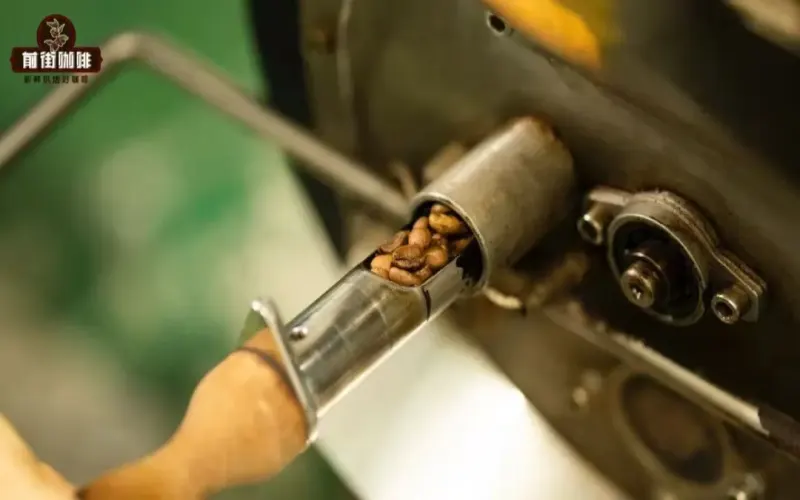
Analysis of Pour-Over Parameters for Medium-Dark and Dark Roast Coffee Beans and Recommended Suitable Varieties
The roasting degree of coffee beans directly affects the flavor profile: light roasts highlight acidity and floral notes, while medium-dark roasts bring the rich, mellow feel of nuts, chocolate, and caramel. Starting from roasting types, this article sorts out the characteristics and representative products of medium, medium-dark, and dark roasted coffee beans, and provides parameter references for pour-over brewing methods for dark roasted beans. For coffee lovers who prefer low acidity and a rich taste, the article also introduces several medium-dark roasted single origins and espresso blends under Front Street Coffee, helping you find the cup that suits you between pour-over and espresso. [more…]
Iced Coffee Pour-Over | How to Make a High-Sweetness Iced Pour-Over with Dark Roast Coffee Beans? Introduction to the Brewing Parameters for Indonesian Golden Mandheling Iced Pour-Over Coffee
According to today's meteorological bureau report, the high temperatures in Guangdong will persist until around November. This means that for nearly two months to come, we still won't be able to do without the ultimate heat-relief weapon—iced coffee! So some friends, just like Front Street, after drinking too many sweet-and-sour light-roast iced coffees, sometimes want to switch to [more…]
Flavor Characteristics of Light Roast Coffee Beans and Pour-Over Parameters Explained: From Roast Curve to Extraction in Practice
Green coffee beans go through multiple stages during roasting, including dehydration, yellowing, first crack, and second crack. Light roast beans are usually dropped between the middle of first crack and before first crack ends, retaining more organic acids and therefore presenting bright acidity and delicate aromas. This article begins with the differences between light and dark roasts, then details the flavor characteristics of light roast coffee beans, and recommends five Front Street light roast beans suitable for beginners, covering origins such as Ethiopia, Kenya, and Panama. In addition, the article shares Front Street's three-stage pour-over recommendations, including coffee-to-water ratio, water temperature, grind size, and pouring rhythm, to help you better extract the floral and fruity notes of light roast coffee. [more…]
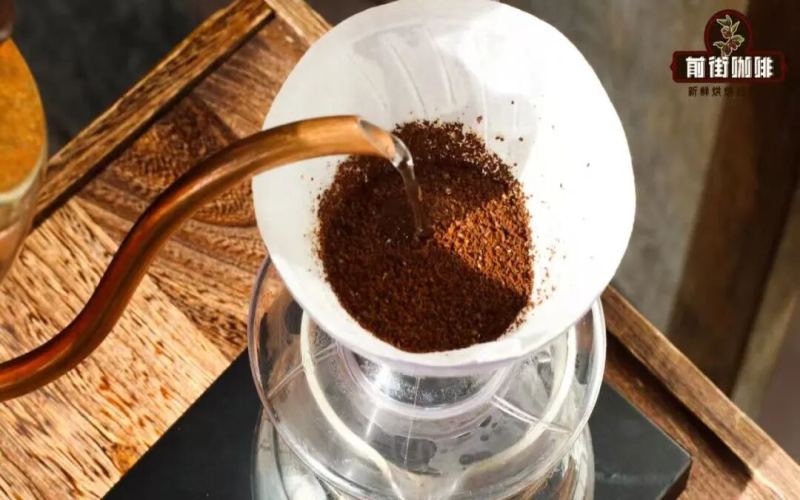
The Difference Between Pour-Over and Espresso | Can Espresso SOE Beans Be Used for Pour-Over? How to Make Pour-Over Black Coffee with Huakui SOE?
As is well known, Front Street Coffee recently launched a new fruity and floral espresso blend on Taobao Tmall—Front Street Strawberry Candy Espresso. Perhaps because the flavor is quite appealing, friends often ask our backend customer service: "This espresso bean is so delicious, can it be used for pour-over?" The answer [more…]
Analyzing the Chemex Coffee Maker's Design Features and Pour-Over Differences: With Brewing Parameters for Four Front Street Coffee Pour-Over Beans
Since its introduction in 1941, the Chemex coffee maker has been rated by scholars at the Illinois Institute of Technology as one of the best-designed products, thanks to its one-piece filter cone and carafe design, and it is now held in the Museum of Modern Art. It requires no additional filter cone, but must be paired with proprietary filter paper. From the perspective of Front Street Coffee, this article reviews the Chemex's features and pour-over steps, focusing on the four key elements of grind size, water temperature, coffee-to-water ratio, and brewing technique, and recommends four Front Street pour-over beans of different roast levels—Yirgacheffe Gudingding, Kenya Asaliya, Brazil Queen, and Indonesia PWN Golden Mandheling—with their respective brewing parameters and flavor descriptions for coffee enthusiasts' reference. [more…]
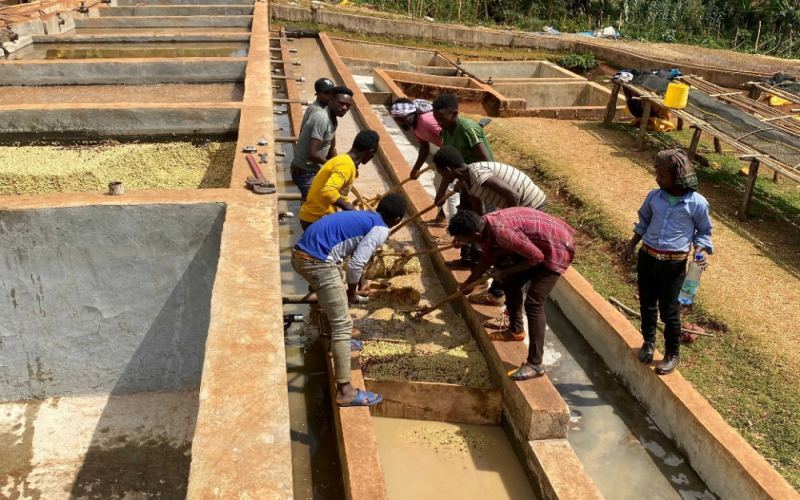
Washed Yirgacheffe Medium-Light Roast Flavor Analysis: A Complete Guide to G1 Grade Pour-Over Bean Taste and Brewing Parameters
Washed processing is one of the most essential green coffee processing methods in the specialty coffee world, and Yirgacheffe, as a star-producing region in Ethiopia, is known for its washed G1-grade beans with clean, bright floral and fruity notes. At Front Street Coffee, we prioritize washed beans for cupping when selecting beans, screening for the lots that best represent the terroir of the region. This article starts with the principles and advantages of the washed process, compares it with the differences of the natural method, and breaks down in detail the flavor characteristics of washed Yirgacheffe—the layered notes of jasmine, citrus, berries, and honey—and explains the reasoning behind a medium-light roast. It also includes Front Street Coffee's complete brewing parameters and technique sharing for both hot and iced pour-over Yirgacheffe, helping coffee enthusiasts recreate a cup of clear, clean Yirgacheffe at home. [more…]
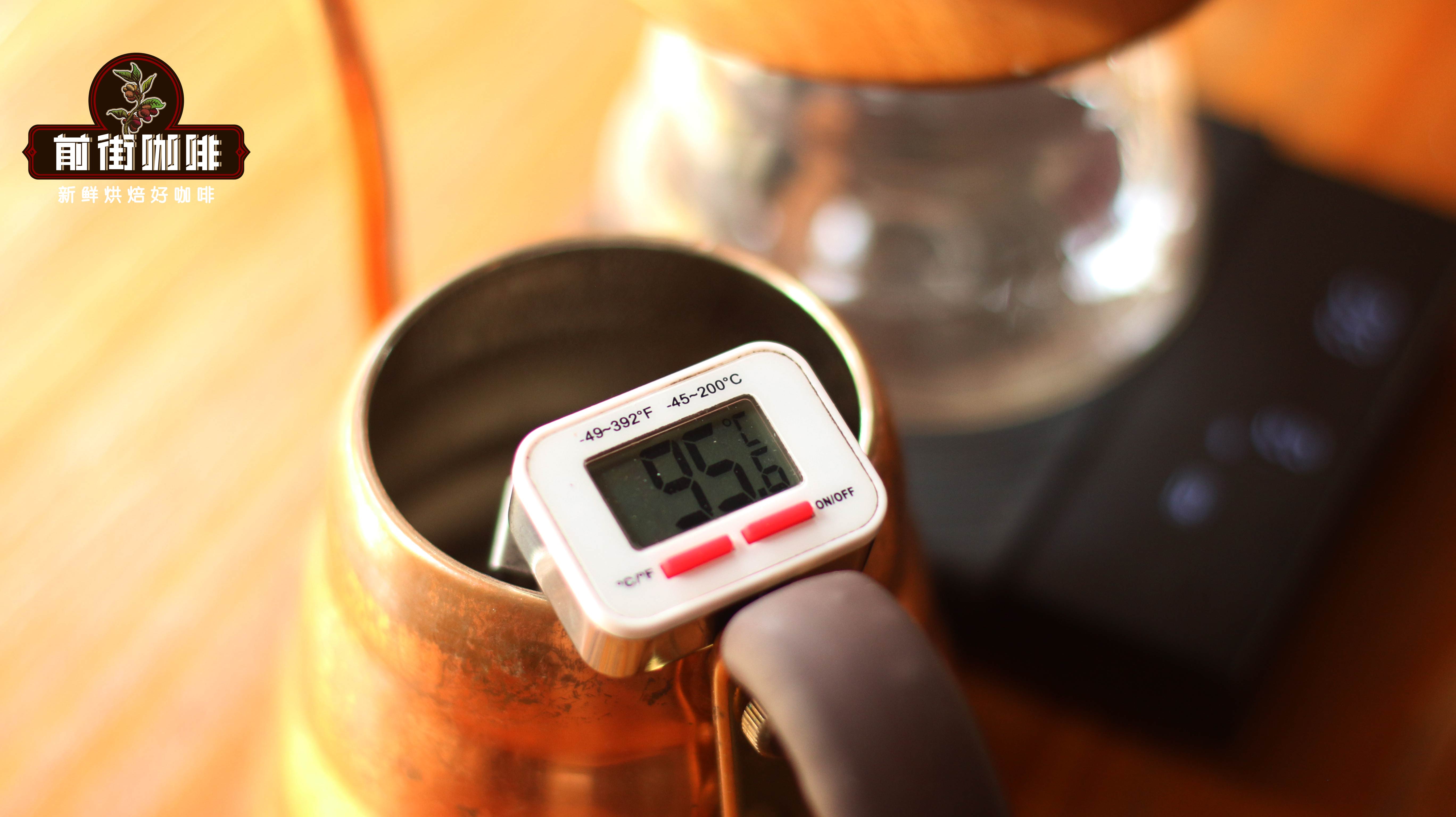
Pour-over Coffee Brewing Temperature | What water temperature should be used to brew light and dark roast coffee beans? Is there a difference between brewing parameters and actual water temperature? Does water temperature affect coffee extraction?
For more specialty coffee knowledge, please follow: Front Street Coffee (Frontsteet Coffee) What water temperature is needed for brewing pour-over coffee? Currently, the mainstream recommended brewing temperature is between 86°C and 93°C, with higher temperatures used for light roasts and lower temperatures for dark roasts. Once, at [more…]
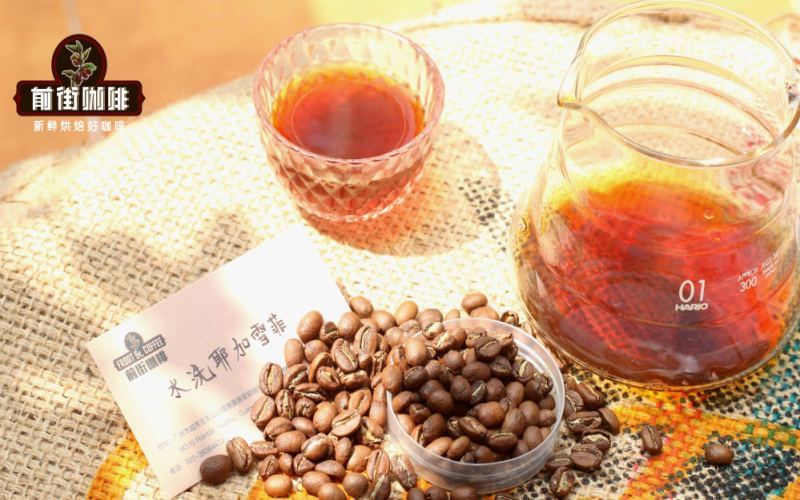
Yirgacheffe Pour-Over Techniques Explained: A Complete Guide to Light Roast Extraction Parameters and Steps
Yirgacheffe is renowned for its floral aroma, citric acidity, and citrus notes, and a light roast best preserves these delicate flavors. To fully unlock this bean's potential, mastering the correct pour-over technique is essential. Using a washed Yirgacheffe as an example, this article breaks down each step—from grind size and water temperature control to the rhythm of staged pouring—while also briefly introducing the origin background and flavor characteristics of Front Street Coffee's Gudingding Cooperative beans, helping you recreate a cup of clear, bright specialty coffee that tastes like lemon tea at home. [more…]